
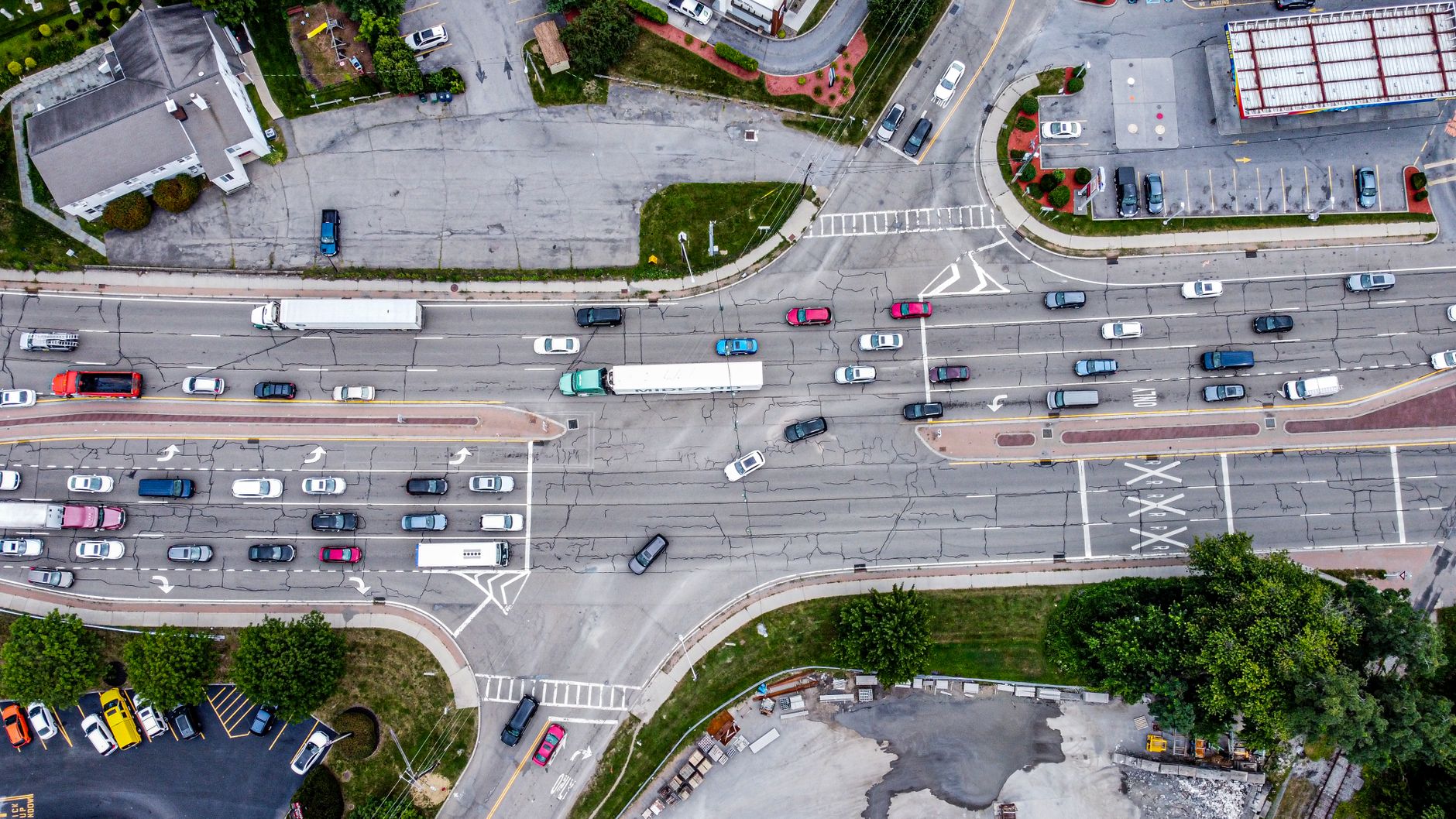
There is no official ranking for the best personal injury lawyer Oxnard CA. This page covers the City of Oxnard, California (Ventura County Superior Court venue frame). Many suits face two years under CCP §335.1. Focus: first steps after a US-101 / SR-1 / Oxnard Blvd crash when you need an Oxnard police report.
Attorney Advertising. “Best” in this title reflects common search language and the evaluation criteria below, not a comparative ranking, award, or guarantee of results. Prior results do not guarantee a similar outcome.
What does “best” mean when you search for a personal injury lawyer in Oxnard?
“Best” describes fit and process, not a prize. LA Law Group does not claim to be number one and does not promise outcomes. Use this checklist when you evaluate any California personal injury lawyer:
- Case-type fit: Experience with your injury theory (auto, pedestrian, cyclist, premises, rideshare, soft-tissue disputes), not a generic pitch.
- Communication / language: Clear updates in English, Spanish, and Farsi. Ask how language access works in practice.
- Contingency clarity: Written fee terms, including how costs are handled if there is no recovery.
- California license: Licensed for California injury matters.
- Conflicts: Early screening for conflicts with parties or insurers in your facts.
- Investigation: A concrete evidence plan (photos, witnesses, the correct OPD or CHP report, medical chronology, coverage mapping) with US-101, SR-1, Oxnard Blvd, SR-232, Vineyard Ave, and Rice Ave treated as investigation context only.
- Trial readiness: Capacity to litigate if negotiation is not fair, without promising a trial result.
Practical rule: After a crash on US-101, SR-1, Oxnard Blvd, SR-232, Vineyard Ave, or Rice Ave, write down which agency responded (Oxnard Police Department or California Highway Patrol) and the report or incident number before you leave the scene, when it is safe to do so. That one detail decides where you request the report later. Geography is context only, not liability.
Where do Oxnard CA injury claims often arise?
Oxnard sits in Ventura County, and this page uses the Ventura County Superior Court as the usual venue frame for local injury suits. It is about the City of Oxnard, California. The query people type is best personal injury lawyer Oxnard CA. Local claims often involve US-101, SR-1, Oxnard Blvd, SR-232, Vineyard Ave, and Rice Ave. Those corridors are traffic and investigation context only, not automatic liability. Freeway merges, coastal and arterial signal density on Oxnard Blvd and Vineyard Ave, and curb activity may complicate investigation; they do not create fault. Fault still turns on specific conduct, evidence, and California’s pure comparative negligence rules. LA Law Group is a California firm that handles Oxnard matters from Chatsworth and statewide. This page does not claim an Oxnard office.
US-101 carries coastal and inland through traffic through Oxnard, so debris and vehicles may be moved quickly to reopen lanes. SR-1 / Oxnard Blvd links coastal approaches and surface arterials where lane changes, crosswalks, and commercial curb activity matter for photos and video. SR-232 / Vineyard Ave concentrates commercial intersections and turning movements along a major city approach. Rice Ave is another high-volume surface corridor where signal timing, truck traffic, and nearby cameras often matter for investigation. Treat each of these as a place to look for cameras, witnesses, and coverage layers, never as a chart that assigns fault or dollars by street or freeway name. Related California reading: Modesto, Stockton, Bakersfield, Fresno, and Sacramento.
First steps after a US-101 / SR-1 / Oxnard Blvd crash in Oxnard when you need an Oxnard police report (educational)
Many people assume every crash inside Oxnard produces an Oxnard Police Department report. In practice, the responding agency usually depends on where the collision happened. Freeway and state-route collisions on US-101 or SR-1 are commonly handled by the California Highway Patrol (CHP), while surface-street collisions on Oxnard Blvd, Vineyard Ave, Rice Ave, or other city streets are commonly handled by the Oxnard Police Department (OPD / Oxnard PD). Knowing which one you need can save weeks. Treat this as educational information, not legal advice and not a checklist that promises a better outcome.
- Safety and medical care first. Move to safety if you can and seek evaluation even if you feel fine. Soft-tissue symptoms often surface after adrenaline fades.
- Identify the responding agency. Ask the officer for a name, badge number, agency, and the report or incident number. If you received a card or slip, photograph it.
- Document the scene when safe. Photograph vehicle positions, lane markings, signals, skid marks, debris, lighting, and any nearby business or traffic cameras before traffic clears.
- Collect witness contacts. Freeway shoulders and busy Oxnard Blvd or Vineyard Ave curb zones empty out fast. A phone number written down at the scene is often the only way to reach a witness later.
- Request the report from the right place. An OPD report is generally requested through the Oxnard Police Department’s records process; a freeway or state-route report is generally requested from the CHP area office that handled the call. Involved parties are typically entitled to request a copy, and processing can take time.
- If the report is delayed, keep building your own file. Preserve photos, witness contacts, dashcam footage, and medical start dates anyway. A delayed police report does not pause the CCP §335.1 clock by itself.
- Avoid early recorded statements to opposing insurers. Understand your rights first, especially if an adjuster calls before you have the report.
If your crash happened on an on-ramp between Oxnard Blvd and US-101, or at an interchange between US-101 and SR-1, write down both locations. Boundary facts like these are exactly where the wrong agency gets asked for the wrong report.
Soft-tissue denial myths in Oxnard (educational)
Insurers often dispute soft-tissue claims when imaging is limited or symptoms appear later. That skepticism is not proof pain is fake. Oxnard claims still turn on records, consistency, and California negligence rules, not on marketing labels.
- Normal imaging does not erase symptoms. Insurer skepticism is not a medical or legal verdict.
- Delayed onset is common and disputed. Waiting a day or two for care can fuel skepticism; it does not bar a claim.
- Soft-tissue labels are not a damages floor or ceiling. Documented treatment and function matter more than the label on a bill.
- Corridor presence is not a damages chart. US-101, SR-1, Oxnard Blvd, SR-232, Vineyard Ave, or Rice Ave facts may complicate coverage mapping; they do not invent figures.
- A report delay is not a weak claim. Waiting on an OPD or CHP report does not, by itself, reduce what your records show.
Ask how any firm documents delayed onset, functional limits, and report gaps without promising dollars. No page, including this one, can predict what an adjuster or jury will do with your facts.
What are the first steps after an Oxnard rideshare crash?
Rideshare claims can involve period-based coverage that shifts with app status. Mapping those layers after a City of Oxnard incident on Oxnard Blvd, Vineyard Ave, Rice Ave, or a US-101 or SR-1 ramp is investigation, not an assurance of who pays.
- Get medical care and document injuries even if they seem minor at first.
- Capture app screenshots of trip details, the receipt or trip ID, and timestamps.
- Photograph the wider scene when safe and preserve witness contacts.
- Note which agency responded (OPD or CHP) and the report number.
- Ask counsel how period-based rideshare coverage, liability, excess or umbrella, and UM/UIM may apply, without expecting a promised result.
In-product path if the crash involved a rideshare platform
- Open trip history and save the trip ID.
- Screenshot the receipt, map route, timestamps, and driver or vehicle details.
- Note app status at impact (waiting, en route, or after drop-off) for period mapping.
- Keep in-app support ticket numbers; do not rely on chat alone.
- Bring those exports to counsel so coverage mapping starts from facts, not guesses.
Oxnard Blvd pickups, Vineyard Ave or Rice Ave runs near commercial corridors, and coastal approaches via US-101 or SR-1 can place the same driver in different app periods within one evening. Export the trip timeline so period mapping is not reconstructed from memory.
Evidence priorities and report agency (educational)
| Priority | What to preserve | Why it helps investigation |
|---|---|---|
| Scene photos | Vehicle positions, lanes, signals, debris, lighting | Fixes facts before traffic clears |
| Agency ID | Officer name, OPD or CHP, report or incident number | Points the records request to the right place |
| Witness contacts | Names and phone numbers written at the scene | Shoulders and curb zones empty fast |
| Medical start | First evaluation date and symptoms | Soft-tissue onset is often disputed |
| Trip data (rideshare) | Trip ID, receipt, timestamps, app status | Period mapping depends on exports, not memory |
| Location type | Agency that commonly responds | Report request path (general) |
|---|---|---|
| Freeway / state route (US-101, SR-1) | California Highway Patrol (CHP) | CHP area office that handled the call |
| City street (Oxnard Blvd, Vineyard Ave, Rice Ave, and similar) | Oxnard Police Department (OPD / Oxnard PD) | OPD records process |
| Ramp or interchange boundary | Confirm at the scene | Write down both locations and the agency on the card |
Geography is context only. Neither table assigns fault or dollars by corridor name.
Hypothetical: delayed OPD report after an Oxnard Blvd crash near US-101 (illustrative)
Hypothetical (illustrative only, not a real client, not a prediction): A driver in the City of Oxnard, California is rear-ended at a signal on Oxnard Blvd, a few blocks from a US-101 on-ramp. An OPD officer responds and hands the driver an incident number. Two weeks later the report is still not available. The driver starts care for neck and back pain three days after the crash; the treatment is soft-tissue care with no surgery. An adjuster asks for a recorded statement and points to the gap in care. Meanwhile the driver keeps photos, a witness phone number, and the incident number, and confirms with counsel that the delay does not stop the CCP §335.1 clock. If the same evening’s facts had sat fully on US-101 or SR-1 instead, counsel would also check whether the report path is CHP rather than OPD. Corridor context is investigation only. Educational only.
Ready to discuss your options?
If you need a personal injury lawyer Oxnard after a crash, fall, pedestrian or cyclist incident, or rideshare collision on US-101, SR-1, Oxnard Blvd, SR-232, Vineyard Ave, or Rice Ave, contact LA Law Group for a free consultation at (866) 625-2529. Bring what you already have (photos, the report or incident number, trip screenshots, provider names) so the conversation stays concrete. See the California personal injury practice hub. Most injury matters are contingency when agreed in writing. English, Spanish, and Farsi. LA Law Group is a California firm that handles Oxnard matters from Chatsworth (21540 Prairie St Unit A, Chatsworth, CA 91311) and statewide. No Oxnard office is claimed here. No promised outcomes. Related reading: Modesto, Stockton, Bakersfield, Fresno, and Sacramento. Also: statute of limitations.
Key takeaways
- Searching for the “best personal injury lawyer Oxnard CA” is a starting point for evaluation, not a number-one claim. This page concerns the City of Oxnard, California (Ventura County Superior Court venue frame).
- Freeway and state-route crashes on US-101 or SR-1 are commonly reported by the CHP; surface-street crashes on Oxnard Blvd, Vineyard Ave, or Rice Ave are commonly reported by OPD. Get the agency and report number at the scene.
- Many California injury suits face a roughly two-year clock under CCP §335.1.
- Pure comparative negligence can reduce, but not automatically eliminate, recovery when fault is shared.
- US-101, SR-1, Oxnard Blvd, SR-232, Vineyard Ave, and Rice Ave are investigation context only. LA Law Group handles Oxnard matters from Chatsworth and statewide with free consults, contingency when agreed in writing, and English / Spanish / Farsi, without promised outcomes and without claiming an Oxnard office.
Checklist: preparing to speak with counsel (general information)
- Seek medical care and keep records (especially within the first 48 hours)
- Write down the responding agency (OPD or CHP), officer name, and report or incident number
- Preserve photos, dashcam clips, and witness contacts when safe
- Note date, time, and location (US-101, SR-1, Oxnard Blvd, SR-232, Vineyard Ave, Rice Ave, or a ramp between them; City of Oxnard, California)
- For rideshare: save the trip receipt, screenshots, and timestamps
- Gather auto / health / Med-Pay / umbrella / UM/UIM info
- Avoid recorded statements to opposing insurers until you understand your rights
- Calendar deadlines (CCP §335.1 and any shorter claim rules that may apply on your facts)
- List preferred languages and questions on fees, soft-tissue documentation, report delays, and rideshare coverage
Bring a short timeline, photos if safe, insurance info (including rideshare if relevant), any report identifiers, and a provider list. Ask about communication, corridor investigation, comparative fault, soft-tissue denials, report requests, costs if no recovery, and language.
This article is for general information only. It is not legal advice and does not create an attorney-client relationship. Reading it does not make LA Law Group your lawyers. Results depend on facts and California law. Prior results do not guarantee a similar outcome. Attorney Advertising.
Frequently asked
What does 'best' mean in 'best personal injury lawyer Oxnard CA'?
An evaluation frame, not a ranking or promise of results. Look for case-type fit, language access, contingency clarity, California licensing, conflicts, investigation, and trial readiness. LA Law Group does not claim to be number one and does not promise outcomes.
Is this page about Oxnard, California?
Yes. The City of Oxnard, California, in Ventura County, with Ventura County Superior Court as the usual local venue frame. The search query uses Oxnard CA. US-101, SR-1, Oxnard Blvd, SR-232, Vineyard Ave, and Rice Ave are investigation and congestion context only.
After a US-101, SR-1, or Oxnard Blvd crash in Oxnard, do I need an OPD report or a CHP report?
It depends on which agency responded. Collisions on freeways and state routes such as US-101 or SR-1 are commonly handled by the California Highway Patrol, while crashes on city streets such as Oxnard Blvd, Vineyard Ave, or Rice Ave are commonly handled by the Oxnard Police Department (OPD / Oxnard PD). Ask for the officer's name, agency, and report or incident number at the scene, then request the report from that agency. A delayed report does not pause other deadlines, including CCP §335.1. This is general information, not legal advice.
Are soft-tissue injuries taken seriously in Oxnard claims?
Insurers often dispute soft-tissue claims when imaging is limited or symptoms appear later. That skepticism is not proof pain is fake. Consistent records matter. Pure comparative negligence and CCP §335.1 still apply. No article predicts outcomes.
How do US-101, SR-1, Oxnard Blvd, SR-232, Vineyard Ave, and Rice Ave matter after an Oxnard crash?
They are traffic and investigation context, not automatic liability. They can affect scene clearing, cameras, and which agency (OPD or CHP) likely produced the report. Fault still depends on specific conduct and proof. This page is about the City of Oxnard, California, with Ventura County Superior Court as the usual venue frame.
Do I need an Oxnard office to hire a lawyer, and can you communicate in Spanish or Farsi?
Not necessarily. California licensure, local investigation, and clear communication matter. LA Law Group is a California firm that handles Oxnard matters from Chatsworth (21540 Prairie St Unit A, Chatsworth, CA 91311) and statewide. English, Spanish, and Farsi. Free personal injury consults. Call (866) 625-2529. Most injury matters are contingency when agreed in writing.
Attorney Advertising. This article is general information, not legal advice, and does not create an attorney-client relationship. Prior results do not guarantee a similar outcome.