
How Car Accidents or Brain Injuries Can Result in Post-Traumatic Headache Disorder
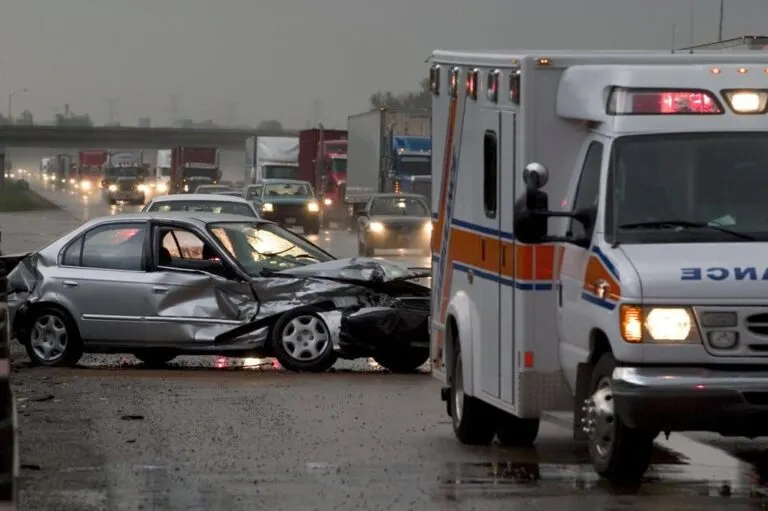
Post-Traumatic Headache Disorder can develop after a car accident or other head injury, causing recurring, often severe headaches along with dizziness, light and sound sensitivity, and trouble concentrating. Getting prompt medical care and speaking with a personal injury attorney can help you understand your options for pursuing compensation if someone else’s negligence caused your injury.
Victims that have experienced traumatic injuries such as those resulting from a car accident or sports incident could develop Post-Traumatic Headache Disorder (PTHD). This is characterized by repetitive episodes of debilitating headaches that can limit work performance and daily activities.
The patient’s symptoms typically worsen over time and include dizziness, photophobia (light sensitivity), phonophobia (sound hypersensitivity), cognitive difficulties resulting in concentration issues etc.
The severity of these symptoms increases with increased exposure to stressors in one’s environment.
After sustaining an injury-causing event leading up to PTHD occurence, legal paths may exist so contact an attorney as soon as possible. Prompt medical care remains crucial when dealing with this condition.
The Post-Traumatic Headache Disorder (PTHD) presents itself in different forms depending on the degree of injury and individual medical background. Nevertheless, sufferers face intense pain that persists for several days resulting in an ability problem.
Common symptoms include relentless head pains, constant dizziness or lightheadedness alongside feeling nauseous to a point of vomiting. Moreover, individuals diagnosed with PTHD have registered complaints about their inability to focus on conversations and tasks due to memory-related issues complemented by sensitivity to light and sound distresses that leave them agitated mentally.
If dealing with post-traumatic headache disorder (PTHD) has disrupted your life following an accident or injury caused by another party’s negligence, it’s critical that you explore all possible avenues towards securing financial restitution. By enlisting the services of a dedicated personal injury lawyer who has knowledge and experience in PTHD claims, you can receive expert guidance through each step of the legal process.
In the end, you may receive compensation for medical costs, time lost from work, and other damages related to your condition, all while holding responsible parties accountable. To conclude, the effects of post-traumatic headache disorder should not be underestimated after experiencing a traumatic event. However, it is important for victims to know that they are not alone in their struggle.
Enlisting the aid of an adept personal injury lawyer can provide legal guidance and support needed to pursue justice against those responsible while recovering recompense for losses incurred.
Frequently asked
How soon after a car accident can PTHD symptoms appear?
Symptoms can begin within days of the injury-causing event, though in some cases they may develop or worsen over subsequent weeks. Anyone experiencing new or worsening headaches after an accident should seek medical evaluation promptly.
Can I still pursue a claim if my PTHD symptoms worsened over time rather than appearing immediately?
California personal injury claims generally allow for injuries and symptoms that develop or progress after an accident, provided they can be medically linked to the original incident. An attorney can review your medical records and accident details to help evaluate whether a claim may be appropriate.
What kinds of losses might be part of a PTHD-related personal injury claim?
Depending on the facts of the case, a claim may address medical expenses, lost income from missed work, and other documented damages tied to the condition. An attorney can explain what evidence and documentation would be relevant to your specific situation.
Attorney Advertising. This article is general information, not legal advice, and does not create an attorney-client relationship. Prior results do not guarantee a similar outcome.