
E-Bike Accidents in California: Laws, Liability, and What to Do
Short answer: Yes. An injury claim may be possible after an e-bike crash in California when a driver, a defective e-bike or battery, or a dangerous public road contributed to it. California sorts e-bikes into three classes: Class 1 (pedal assist up to 20 mph), Class 2 (throttle up to 20 mph), and Class 3 (pedal assist up to 28 mph).
The first question is whether the device is an electric bicycle under Vehicle Code section 312.5 at all. That answer shapes which rules applied to the rider, and it can shape the claim.
Attorney Advertising. This guide explains California e-bike rules and primary sources, not a promise of any outcome. Prior results do not guarantee a similar outcome. This page is general information, not legal advice.
What are California’s e-bike laws by class?
California’s e-bike laws start with Vehicle Code section 312.5. An electric bicycle has fully operable pedals and an electric motor that does not exceed 750 watts. It falls into one of three classes:
| Class | How the motor works | Assist stops at | Age and helmet rules |
|---|---|---|---|
| Class 1 | Assists only while the rider pedals | 20 mph | Under 18 must wear a helmet (VEH §21212) |
| Class 2 | Motor may propel the bike by itself (throttle) | 20 mph | Under 18 must wear a helmet (VEH §21212) |
| Class 3 | Assists only while the rider pedals; needs a speedometer | 28 mph | No operator under 16; every operator and passenger wears a helmet (VEH §21213) |
Section 312.5 also covers a few details that matter after a crash:
- Walk mode. A start assist or walk mode that moves the bike up to 3.7 mph without pedaling does not change its class.
- Class label. Since January 1, 2017, manufacturers and distributors have had to attach a permanent label showing the class, top assisted speed, and motor wattage.
- Modified devices. A vehicle the manufacturer intends to be modifiable to go faster than 20 mph on motor power alone or to exceed 750 watts, or one that has been modified that way or had its pedals removed, is not an electric bicycle under that section.
Practical rule: the class label on the frame is a starting point, and how the bike was built or later modified can also matter, so keep the bike as it is and let a professional inspect it.
Vehicle Code section 24016 says an electric bicycle that meets section 312.5 is not subject to the financial responsibility, driver’s license, registration, or license plate rules, and it is not a motor vehicle. The same section bars changing an e-bike’s speed capability unless it still meets section 312.5 and the label is replaced, and it bars selling products meant to modify speed outside those limits.
Do e-bike riders follow the same traffic laws as drivers?
Generally yes. Section 312.5 says e-bike riders are subject to Article 4 of the Vehicle Code, which begins with section 21200. Section 21200(a)(1) gives a person riding a bicycle on a highway all the rights and duties of a vehicle driver, except provisions that by their nature cannot apply.
Two equipment and safety rules stand out:
- Rear light or reflector. Vehicle Code section 21201(f) requires an e-bike, at all times, to have a red reflector or a solid or flashing red light with a built-in reflector on the rear, visible from 500 feet.
- Helmets for minors. Section 21212 requires riders under 18 to wear a helmet meeting the listed ASTM or CPSC standards on a street, bikeway, or public path. A violation is an infraction with a fine of up to $25, and a parent or guardian is jointly liable for the fine.
Under section 21212, proof of a qualifying helmet and completion of a bicycle safety course within 120 days can clear a citation, and for e-bike violations the course can be a specialized e-bike course, including the CHP program. The CHP Vulnerable Road Users page links to its e-bike safety training and its Bicycle Safety Course.
For general bike rules, see our guide to California bicycle accident laws. For helmet injury and product issues, see bicycle brain injuries and defective helmets.
Where can you ride an e-bike in California?
E-bikes generally use public roads under the bicycle rules in section 21200. Trails are different. Vehicle Code section 21207.5 lets local agencies and the state limit e-bikes on some paths:
- Subdivision (b): a local authority or other public agency with jurisdiction may ban, by ordinance, e-bikes or any class of them on an equestrian, hiking, or other recreational trail.
- Subdivision (c): the Department of Parks and Recreation may ban e-bikes or any class of them on bike paths or trails within its jurisdiction.
So the same e-bike can be allowed on one path and banned on the next. Posted signs and the local ordinance control. If a crash happens where riding was restricted, that fact may come up when fault is sorted out.
What changed in California e-bike law in 2025 and 2026?
Several changes took effect over the last two years. Each one below comes from the statute or bill text on the Legislature’s site, checked October 29, 2026.
- New definition details (January 1, 2025). SB 1271, approved September 27, 2024, amended section 312.5. It added the walk mode language and the rule that modified devices, and devices the manufacturer intends to be modifiable, are not e-bikes.
- Battery testing for sales (January 1, 2026). SB 1271 added Health and Safety Code section 26302. It generally bars selling, leasing, or distributing an e-bike in California unless its battery system was tested by an accredited lab to a standard referenced in UL 2849 or EN 15194, or another standard the State Fire Marshal sets by rule. The lab’s name or mark generally has to appear on the product, but that display rule does not apply to secondhand sales.
- Rentals (January 1, 2028). Section 26303 applies a similar battery rule to e-bike rentals starting January 1, 2028.
- Rear reflector or light (January 1, 2026). Section 21201(f) now covers e-bikes at all hours.
- Speed modification apps (January 1, 2026). Section 24016 already barred modifying an e-bike’s speed so it no longer meets section 312.5 and selling products or devices that do so. A 2025 amendment added apps to that sale ban.
One note on wording. The Legislative Counsel’s Digest for SB 1271 describes the prior definition as a motor of “less than 750 watts.” Section 312.5, as amended effective January 1, 2025, reads “does not exceed 750 watts.” Both were read on the Legislature’s site on October 29, 2026.
Who may be liable after an e-bike accident?
Liability depends on the facts. Some types of claims include:
- A driver who turned, merged, or opened a door into the rider’s path.
- A manufacturer, distributor, or seller of a defective e-bike, part, or battery. See product liability in California.
- A public entity responsible for a dangerous road condition, such as a pothole. These claims follow the government claim rules, and our guide to scooter accidents caused by potholes shows how road defects come up.
- A parent or guardian, in limited situations. Civil Code section 1714.1 makes a parent or guardian liable for a minor’s willful misconduct that injures someone, up to a capped amount.
California follows pure comparative negligence, so a rider who was partly at fault can generally still recover, with the amount reduced by their share. Shared scooter claims raise related issues, covered in Lime scooter injury accidents.
Whose insurance may apply first?
Section 24016(b) says e-bikes are not subject to the financial responsibility rules in the Vehicle Code, so the Vehicle Code does not require an e-bike rider to carry liability insurance. That means the money in a claim usually comes from someone else’s coverage or from the rider’s own policies, depending on their wording.
| Possible source | When it may come up | Note |
|---|---|---|
| At-fault driver’s auto insurer | A driver caused the crash | Depends on the driver’s policy and limits |
| Rider’s own auto policy (med-pay or uninsured motorist) | Only if the rider has such a policy and its terms reach the crash | Read the policy wording |
| Health insurer or medical providers | Treatment after the crash | May seek repayment; see medical liens |
| Manufacturer, distributor, or seller | A defect in the e-bike or battery | Product claims depend on the evidence |
| Public entity | A dangerous public road | Only after a timely government claim |
No source above pays automatically. For a sense of how claims are valued, see how much a personal injury case is worth in California.
What do people commonly do after an e-bike crash?
These are common steps, not instructions for any one case:
- Get care. Call 9-1-1 if anyone is hurt, and keep every medical record.
- Note the agency. Write down the officer’s name, agency, and report number.
- Photograph the e-bike. Capture the class label, battery, and damage, and keep the bike and battery as they are.
- Document the scene. Photograph the road surface, lane markings, signals, and vehicles if it is safe.
- Collect details. Get names, contact and insurance details, and witness information.
Our guide to steps to take after a scooter accident covers similar first steps.
How long do you have to file an e-bike injury claim?
Code of Civil Procedure section 335.1 generally gives two years to sue for an injury caused by another’s wrongful act or neglect. If a city, county, or state agency may be responsible, Government Code section 911.2 generally requires a written claim within six months for an injury claim. Exceptions and tolling rules can move these dates, and waiting for a report generally does not pause them. See our statute of limitations guide.
Illustrative hypothetical (not a case result)
Suppose a rider on a labeled Class 2 e-bike is hit by a turning car on March 3, 2026, and also strikes a deep pothole on a city street. A city claim would generally be due about six months later, around September 3, 2026, and a lawsuit against the driver generally within two years, around March 3, 2028. If total damages were found to be $50,000 and the rider were found 20 percent at fault, pure comparative negligence would generally reduce the award by that share to $40,000. These numbers are made up to show the math; real outcomes depend on the facts.
How LA Law Group can help from Chatsworth
LA Law Group serves California personal injury clients from our Chatsworth office at 21540 Prairie St Unit A, Chatsworth, CA 91311. We can review the e-bike class, the crash facts, and whether a public entity claim deadline applies.
No attorney fee unless we win your case. You are responsible for case costs regardless of the outcome.
Your initial consultation is free.
To learn more, visit our personal injury practice page or contact us. Call (866) 625-2529.
Sources checked
Official statutes and pages checked on October 29, 2026:
- Vehicle Code section 312.5
- Vehicle Code section 21200
- Vehicle Code section 21201
- Vehicle Code section 21207.5
- Vehicle Code section 21212
- Vehicle Code section 21213
- Vehicle Code section 24016
- SB 1271 (2024), bill text and digest
- Civil Code section 1714.1
- Code of Civil Procedure section 335.1 and Government Code section 911.2
- CHP Vulnerable Road Users page
Statutes and agency pages can change. Re-check the official page before you rely on it.
Key takeaways
- California has three e-bike classes: Class 1 and Class 2 stop assisting at 20 mph, and Class 3 at 28 mph.
- A modified device that exceeds those limits is not an e-bike under section 312.5.
- E-bike riders generally have the rights and duties of drivers under section 21200.
- Riders under 18 wear helmets on any e-bike; everyone on a Class 3 wears one, and no one under 16 operates a Class 3.
- The Vehicle Code does not require e-bike riders to carry liability insurance, so coverage questions turn on other policies.
- Injury suits generally have two years; public entity claims generally have six months.
Short checklist
- Get medical care and keep the records.
- Photograph the e-bike’s class label and battery.
- Write down the report number and agency.
- Mark the six-month date if a public road or agency may be involved.
- Mark the two-year lawsuit date.
- Re-open the official sources on the day you rely on them.
This article is for general information only. It is not legal advice and does not create an attorney-client relationship. Reading it does not make LA Law Group your lawyers. Results depend on the facts and California law. Prior results do not guarantee a similar outcome. Attorney Advertising.
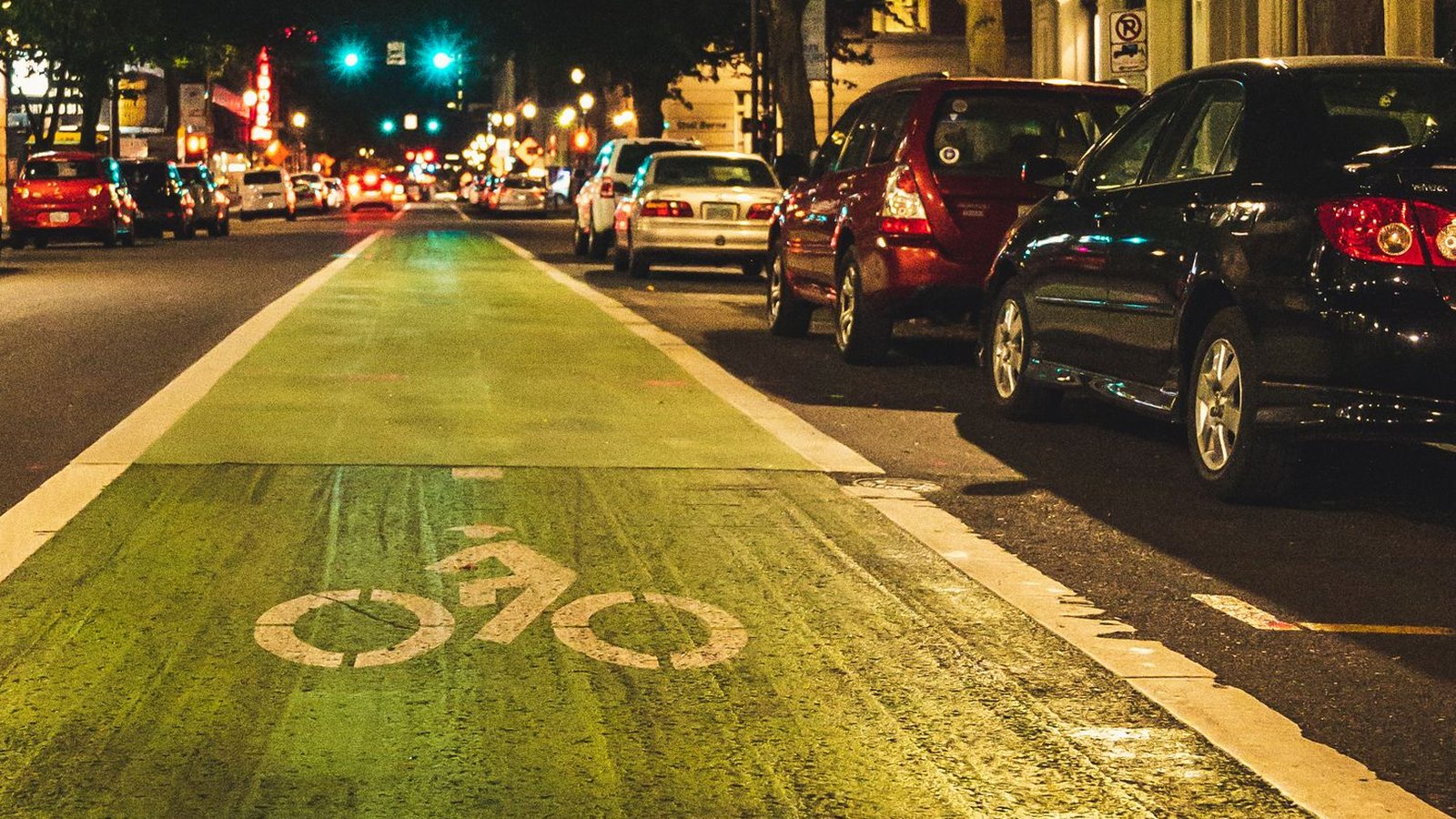
Photo: Brett Sayles on Pexels (photo 3256031), Pexels License. Cropped and resized to 1600x900; no other edits.
Frequently asked
What counts as an e-bike under California law?
Vehicle Code section 312.5 defines an electric bicycle as a bicycle with fully operable pedals and an electric motor that does not exceed 750 watts, sorted into Class 1, Class 2, or Class 3. A device that has been modified so it can go faster than the law allows on motor power, or that has a motor over 750 watts, is not an electric bicycle under that section.
Do e-bike riders follow the same traffic laws as drivers?
Generally yes. Section 312.5 says e-bike riders are subject to the bicycle rules in Vehicle Code section 21200, and section 21200 gives a bicycle rider on a highway the rights and duties of a vehicle driver, except for provisions that by their nature cannot apply.
Who can be responsible for an e-bike accident in California?
It depends on the facts. Some types of claims involve a driver who caused the crash, a manufacturer or seller of a defective e-bike or battery, a public entity responsible for a dangerous road, or, in limited situations, the parent of a minor whose willful misconduct caused harm.
Is a helmet required on an e-bike in California?
Vehicle Code section 21212 requires riders under 18 to wear a qualifying helmet on a street, bikeway, or public path. Section 21213 requires every operator and passenger of a Class 3 e-bike to wear a helmet, and it bars anyone under 16 from operating a Class 3 e-bike.
What changed in California e-bike law in 2025 and 2026?
SB 1271 amended the e-bike definition effective January 1, 2025, and added battery testing rules for e-bikes sold starting January 1, 2026. Other 2026 changes in the Vehicle Code added a rear red reflector or light rule for e-bikes at all hours and extended the existing ban on selling speed-modifying products to apps.
Where can I ride an e-bike in California?
E-bikes generally use roads under the bicycle rules in Vehicle Code section 21200. Under section 21207.5, local authorities and public agencies may ban e-bikes, or a class of them, on equestrian, hiking, or recreational trails, and the Department of Parks and Recreation may do the same on bike paths or trails it controls. Posted local rules apply.
What if a defective e-bike or battery caused my injury?
A claim against a manufacturer, distributor, or seller may be possible. Since January 1, 2026, Health and Safety Code section 26302 generally bars selling an e-bike in California unless its battery system was tested by an accredited lab to a listed safety standard. Whether a product claim fits depends on the facts and the evidence.
How long do I have to file an e-bike injury claim in California?
Code of Civil Procedure section 335.1 generally gives two years to sue for an injury caused by another's wrongful act or neglect. A claim against a public entity generally has to be presented within six months under Government Code section 911.2. Exceptions can move these dates, so check the rule that fits your claim.
Attorney Advertising. This article is general information, not legal advice, and does not create an attorney-client relationship. Prior results do not guarantee a similar outcome.