
Loss of Use Claims in California: What They Cover
Short answer: In a section on how damages are allocated among defendants, Civil Code section 1431.2 defines “economic damages” to include “loss of use of property.” California’s official civil jury instruction, CACI No. 3903M, approved by the Judicial Council, refers to “the reasonable cost to rent a similar” item for the time “reasonably necessary to repair or replace” it.
The full wording of both sources is quoted below, with the date each was read.
Attorney Advertising. This guide explains how California describes a loss-of-use claim after a car crash, using official statute, jury instruction, and insurance-regulation text. It is not a promise of any outcome. This page is general information, not legal advice.
What is a loss of use claim after a California crash?
A loss-of-use claim, in this guide, is about time you could not use your vehicle after a crash while it was repaired or replaced. It is part of the property-damage side of a claim, not a separate kind of lawsuit.
In general terms, loss of use refers to damages for not being able to use your property, such as a vehicle, while it is repaired or replaced.
In a section on how damages are allocated among defendants, Civil Code section 1431.2 defines “economic damages” as follows. The official text of subdivision (b)(1), read on November 17, 2026, says:
“For purposes of this section, the term “economic damages” means objectively verifiable monetary losses including medical expenses, loss of earnings, burial costs, loss of use of property, costs of repair or replacement, costs of obtaining substitute domestic services, loss of employment and loss of business or employment opportunities.”
That definition includes “loss of use of property.” The section is a definition of terms used when damages are allocated among defendants. It is not a statute that awards a loss-of-use payment.
A diminished value claim is a separate topic. See our diminished value claim guide. This page does not explain diminished value.
Is a loss-of-use claim the same as the rental reimbursement coverage on my own policy?
No.
Rental reimbursement is optional coverage that some auto policies include; your own policy sets its terms. That optional coverage, when it is part of a policy, is a contract between you and your own insurer.
A loss-of-use claim is different. It is a category of damages that can be claimed from a party who is legally responsible, using the Civil Code definition quoted above and the official jury instruction quoted in the next section.
The California Department of Motor Vehicles insurance-requirements page, read on November 17, 2026, says:
“Liability insurance compensates a person other than the policy holder for personal injury or property damage.”
That line describes liability insurance. It does not set a payment amount for loss of use, and this page does not restate any coverage limits.
How is loss of use measured, and how long does it run?
California’s official civil jury instruction on loss of use (CACI No. 3903M), approved by the Judicial Council of California, appears in the Judicial Council of California Civil Jury Instructions (2026 edition), printed at page 851. The instruction sentence, read from the official PDF on November 17, 2026, says:
“To recover damages for loss of use, [name of plaintiff] must prove the reasonable cost to rent a similar [item of personal property] for the amount of time reasonably necessary to repair or replace the [item of personal property].”
The instruction uses the words “reasonably necessary to repair or replace.” This page does not add a number of days, a daily rate, or a formula on top of that wording. Each claim depends on its facts.
The repair period can also be affected by where the vehicle is repaired. California’s Fair Claims Settlement Practices Regulations include a shop-choice rule. California Code of Regulations, title 10, section 2695.8, read on November 17, 2026, on the official Barclays California Code of Regulations page, says:
“(e) No insurer shall:
(1) require that an automobile be repaired at a specific repair shop; or,”
The same official page states: “This database is current through 11/6/26 Register 2026, No. 45.” Section 2695.8 does not itself address loss of use or rental cars. It is quoted here only for the shop-choice rule, and later for towing and storage.
What if the car is a total loss?
The same official jury instruction, CACI No. 3903M, uses the words “repair or replace.” This page does not explain how a total loss is valued, and it does not say when a settlement should be made.
For questions about the title when a vehicle is treated as a total loss, see Will I need to transfer my vehicle title to the insurance company if my vehicle is considered a total loss?.
What does California’s fair claims regulation say about towing and storage?
The same regulation, California Code of Regulations, title 10, section 2695.8, subsection (k), read on November 17, 2026, says:
“After a covered loss under a policy of automobile collision coverage or automobile physical damage coverage as defined in California Insurance Code Section 660, where towing and storage are reasonably necessary to protect the vehicle from further loss, the insurer shall pay reasonable towing and storage charges incurred by the claimant. The insurer shall provide reasonable notice to the claimant before terminating payment for storage charges, so that the claimant has time to remove the vehicle from storage. This subsection shall also apply to a third-party claim filed under automobile liability coverage as defined in California Insurance Code section 660, however, payment to a third party claimant may be prorated based upon the comparative fault of the parties.”
The regulation’s own words cover automobile collision coverage or automobile physical damage coverage, and also a third-party claim filed under automobile liability coverage, which “may be prorated based upon the comparative fault of the parties.” This page does not add amounts or a separate payment rule.
What records help support a loss-of-use claim?
A practical rule: Keep the repair estimate, the shop drop-off and pick-up dates, and any rental or ride receipts. Those records can help show the period when the vehicle could not be used.
It also helps to keep letters or messages from the insurer about the vehicle, photos of the damage if you have them, and the claim number. This page does not require any particular set of documents, and it does not say that a claim will be paid if those records are kept.
What can this look like in practice?
Illustrative hypothetical, not a case result: This example is fictional. It does not describe a real client and does not predict any outcome. A driver in California has the front of a car damaged in a crash that another driver caused. The car goes to a repair shop the driver chooses. While the shop works on it, the driver keeps the estimate, the drop-off and pick-up dates, and receipts for a rental car. Those records may be used to support a loss-of-use claim. This example does not say whether such a claim is paid or in what amount.
Legal deadlines can apply to property-damage and injury claims, and they depend on the facts. Our guide to the car accident statute of limitations in California explains the general rules.
How do attorney fees work at LA Law Group?
No attorney fee unless we win your case. You are responsible for case costs regardless of the outcome.
The written fee agreement explains how fees and costs are handled before work begins.
Key takeaways
- In a section on how damages are allocated among defendants, Civil Code section 1431.2 defines “economic damages” to include “loss of use of property.”
- California’s official civil jury instruction on loss of use, CACI No. 3903M, approved by the Judicial Council of California, refers to “the reasonable cost to rent a similar” item for the time “reasonably necessary to repair or replace” it.
- Rental reimbursement is optional coverage that some auto policies include; your own policy sets its terms. That coverage is not the same thing as a loss-of-use claim against a legally responsible party.
- California Code of Regulations, title 10, section 2695.8, says that no insurer shall “require that an automobile be repaired at a specific repair shop.”
- Repair estimates, shop dates, and rental or ride receipts can help show the period when a vehicle could not be used.
- A diminished value claim and a total-loss title question are separate topics, linked above.
Short checklist
- The repair estimate and any later written updates from the shop.
- The shop drop-off and pick-up dates.
- Rental or ride receipts, if you have them.
- Letters or messages from the insurer about the vehicle.
- Photos of the damage, if you have them.
- The claim number and the name of the insurer handling the property-damage claim.
How can LA Law Group help?
LA Law Group serves California personal injury clients from our main office at 21540 Prairie St Unit A, Chatsworth, CA 91311. We can review the repair records, the insurance correspondence, and the property-damage part of the claim, and explain the next steps in a written agreement before any work starts.
To learn more, visit our personal injury practice page.
Your initial consultation is free.
Call (866) 625-2529.
Sources checked
Official sources checked on November 17, 2026 (America/Los_Angeles):
- Civil Code section 1431.2
- Judicial Council of California Civil Jury Instructions (2026 edition) (PDF), CACI No. 3903M, printed page 851, and the Civil Jury Instructions resource page
- California Code of Regulations, title 10, section 2695.8 (Barclays Official California Code of Regulations; “This database is current through 11/6/26 Register 2026, No. 45”), linked from the California Department of Insurance Fair Claims Settlement Practices Regulations index
- California DMV, Insurance Requirements
This article is for general information only. It is not legal advice and does not create an attorney-client relationship. Reading it does not make LA Law Group your lawyers. Results depend on the facts and California law. Prior results do not guarantee a similar outcome. Attorney Advertising.
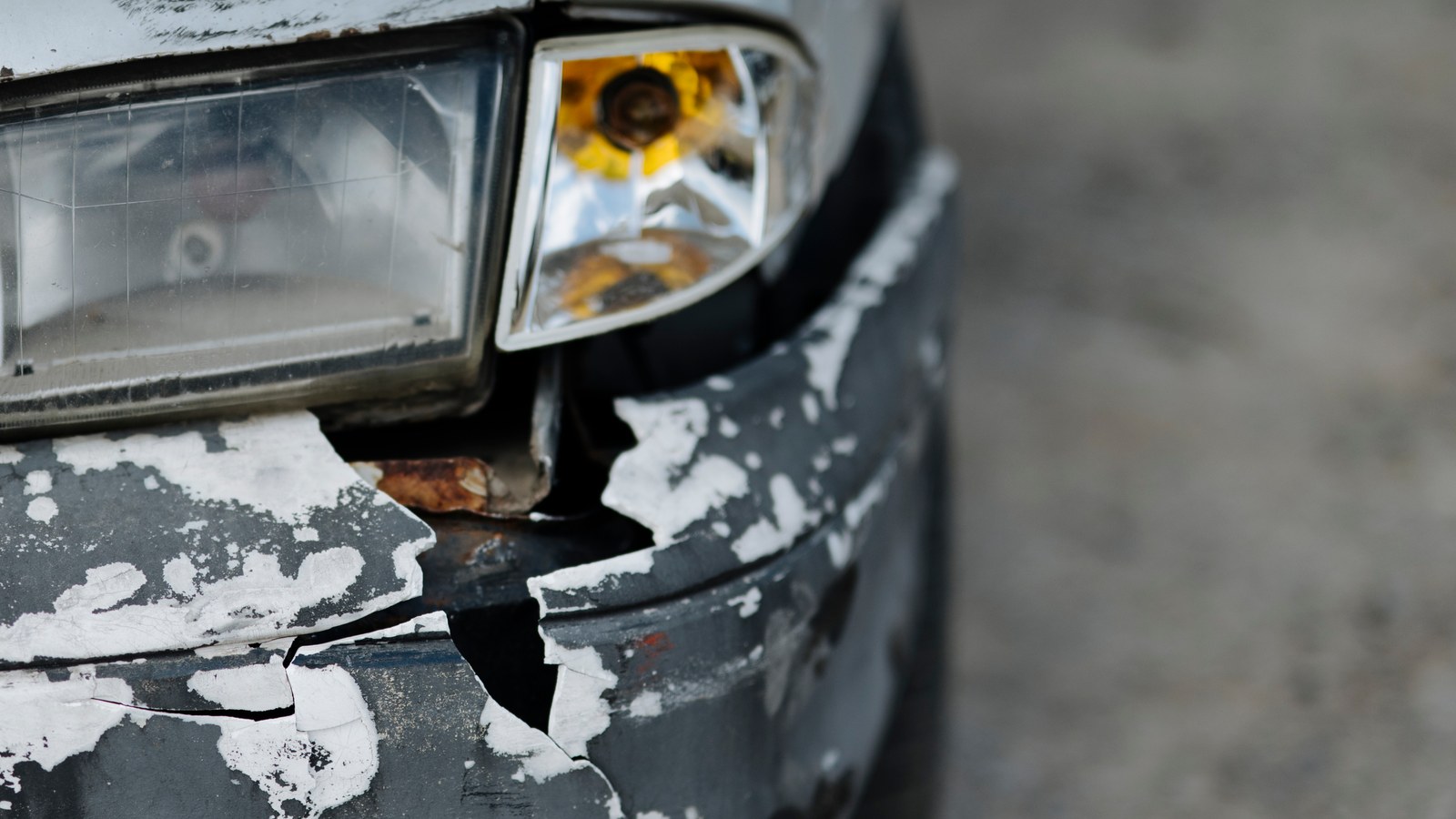
Photo: “Close view of a damaged car front in an outdoor setting during daylight hours near a road in a city area with visible wear and tear” by Shixart1985 / Wikimedia Commons (https://commons.wikimedia.org/wiki/File:Close_view_of_a_damaged_car_front_in_an_outdoor_setting_during_daylight_hours_near_a_road_in_a_city_area_with_visible_wear_and_tear.jpg), CC BY 2.0 (https://creativecommons.org/licenses/by/2.0/), cropped and resized.

Frequently asked
What is a loss of use claim in California?
In a section on how damages are allocated among defendants, Civil Code section 1431.2 defines "economic damages" to include "loss of use of property." California's official civil jury instruction on loss of use (CACI No. 3903M), approved by the Judicial Council of California, says a plaintiff must prove "the reasonable cost to rent a similar [item of personal property] for the amount of time reasonably necessary to repair or replace the [item of personal property]." In general terms, loss of use refers to damages for not being able to use your property, such as a vehicle, while it is repaired or replaced.
How is loss of use measured in California?
California's official civil jury instruction on loss of use (CACI No. 3903M), approved by the Judicial Council of California, says: "To recover damages for loss of use, [name of plaintiff] must prove the reasonable cost to rent a similar [item of personal property] for the amount of time reasonably necessary to repair or replace the [item of personal property]."
Is loss of use the same as rental reimbursement coverage?
No. Rental reimbursement is optional coverage that some auto policies include; your own policy sets its terms. A loss-of-use claim is a category of damages that can be claimed from a party who is legally responsible. In a section on how damages are allocated among defendants, Civil Code section 1431.2 defines "economic damages" to include "loss of use of property." The California DMV's insurance-requirements page says, "Liability insurance compensates a person other than the policy holder for personal injury or property damage."
Does loss of use apply if my car is a total loss?
California's official civil jury instruction on loss of use (CACI No. 3903M), approved by the Judicial Council of California, uses the words "repair or replace." This page does not explain how a total loss is valued. For questions about the title when a vehicle is treated as a total loss, see our guide Will I need to transfer my vehicle title to the insurance company if my vehicle is considered a total loss, which is linked in the total-loss section of this page.
Can the insurance company make me use its repair shop?
California Code of Regulations, title 10, section 2695.8, read on November 17, 2026, says: "(e) No insurer shall: (1) require that an automobile be repaired at a specific repair shop; or,"
What does California's fair claims regulation say about towing and storage?
California Code of Regulations, title 10, section 2695.8, subsection (k), read on November 17, 2026, says: "After a covered loss under a policy of automobile collision coverage or automobile physical damage coverage as defined in California Insurance Code Section 660, where towing and storage are reasonably necessary to protect the vehicle from further loss, the insurer shall pay reasonable towing and storage charges incurred by the claimant. The insurer shall provide reasonable notice to the claimant before terminating payment for storage charges, so that the claimant has time to remove the vehicle from storage. This subsection shall also apply to a third-party claim filed under automobile liability coverage as defined in California Insurance Code section 660, however, payment to a third party claimant may be prorated based upon the comparative fault of the parties."
Is there a deadline for a loss of use claim?
Legal deadlines can apply to property-damage and injury claims, and they depend on the facts. Our guide to the car accident statute of limitations in California explains the general rules.
Attorney Advertising. This article is general information, not legal advice, and does not create an attorney-client relationship. Prior results do not guarantee a similar outcome.