Waymo Accidents in California: Crash Reports, Rules, and Liability
This article is for informational purposes only and is not to be construed as legal advice. No attorney-client relationship exists based on the review of this article and none of the information in this article is legal advice.
Short answer: Waymo LLC is listed by the California DMV as authorized for driverless testing and deployment in California. In NHTSA’s crash-reporting data for automated driving systems (reports submitted June 16, 2025 through September 15, 2026), Waymo LLC is the reporting entity on 768 reports that list California as the state. Of those, 663 list property damage with no injury reported, and the reports do not decide who was at fault. If you are hurt in a crash involving a driverless car, the same California negligence and product liability rules apply as in other crashes, and the general deadline to file an injury lawsuit is two years.
Data in this article was read from official sources on November 12, 2026.
What the crash reports show
Two government systems collect crash reports for autonomous vehicles in California.
NHTSA’s Standing General Order. The National Highway Traffic Safety Administration requires named companies to report a crash “if ADS was in use at any time within 30 seconds of the crash and the crash resulted in certain property damage or injury.” NHTSA publishes the reports as CSV data. The current file covers reports from June 16, 2025 to September 15, 2026, and NHTSA’s server shows it was last updated October 15, 2026.
In that file, counting the latest version of each report, Waymo LLC is the reporting entity on 768 reports that list California as the state. The field NHTSA labels “Highest Injury Severity Alleged” reads:
| Highest Injury Severity Alleged | Reports |
|---|---|
| Property Damage. No Injured Reported | 663 |
| Minor W/O Hospitalization | 56 |
| Minor W/ Hospitalization | 20 |
| Moderate W/ Hospitalization | 5 |
| Moderate W/O Hospitalization | 3 |
| Serious W/ Hospitalization | 1 |
| No Injured Reported | 10 |
| Unknown | 10 |
| Total | 768 |
The city field lists San Francisco on 366 of those reports and Los Angeles on 261.
NHTSA notes there may be cases where “more than one report is submitted for a crash,” and that totals can be affected by “multiple entities reporting the same crash but with different information.” A report records that a crash happened while the system was in use. It is not a finding that the automated vehicle caused the crash.
California DMV collision reports. The California DMV says manufacturers testing autonomous vehicles “need to report every collision involving one of their vehicles that results in property damage, bodily injury, or death.” Under a DMV memo effective April 28, 2026 (AVIM 2026 001A), collision reports “must be submitted to the Department in alignment with the National Highway Traffic Safety Administration Standing General Order 2021-01,” and collisions are reported as a 5-day, update, and monthly report. The DMV links to the AV Safety Dashboard run by UC Berkeley SafeTREC, which shows DMV-reported crashes for testing permits from October 2014 through April 18, 2026, and SGO-reported crashes in California from July 2021 onward.
How California regulates driverless cars
DMV permits. The DMV issues three kinds of permits: testing with a safety driver, driverless testing, and deployment. Its permit holder page lists Waymo LLC under all three. The page shows the driverless testing list as updated November 5, 2026, and the deployment list as of November 5, 2026. Waymo’s approved areas page lists the Jaguar I-Pace, Zeekr Ojai, and Hyundai Ioniq 5 platforms, “All times of day and night,” “All rain, fog, and other conditions,” and “All Speeds.”
CPUC passenger service. Paid rides are regulated by the California Public Utilities Commission. The CPUC says its deployment programs let participants charge fares for AV passenger service, and that applicants “must obtain an Autonomous Vehicle Deployment Permit from the California Department of Motor Vehicles (DMV).” Under its driverless pilot program, “a communication link between passengers and ‘remote operators’ of the vehicle must be available and maintained at all times during passenger service.”
The Vehicle Code. Vehicle Code section 38750 sets the ground rules:
- An “operator” of an autonomous vehicle “is the person who is seated in the driver’s seat, or, if there is no person in the driver’s seat, causes the autonomous technology to engage” (subdivision (a)(4)).
- A manufacturer must maintain insurance, a surety bond, or self-insurance “in an amount of five million dollars ($5,000,000)” (subdivision (c)(3)). Subdivision (b)(3) sets the same amount for testing.
- The vehicle must have a separate mechanism to capture and store sensor data “for at least 30 seconds before a collision,” and the data “shall be preserved for three years after the date of the collision” (subdivision (c)(1)(G)).
Vehicle Code section 38752 lets a peace officer issue a “notice of autonomous vehicle noncompliance” for an alleged traffic violation by a vehicle with its autonomous technology engaged. The statute says it “shall not become operative until the department issues regulations addressing notices of autonomous vehicle noncompliance,” and that a notice “shall not create a presumption that the autonomous vehicle is unsafe.” Check the DMV’s autonomous vehicles page for the current status of those regulations.
Who may be responsible after a crash
California law does not have a separate injury rule for driverless cars. The same rules apply, and responsibility depends on the facts.
- Negligence. Civil Code section 1714(a) says “Everyone is responsible, not only for the result of his or her willful acts, but also for an injury occasioned to another by his or her want of ordinary care or skill in the management of his or her property or person.” Depending on the facts, that can apply to another driver, the company operating the vehicle, or anyone else whose conduct contributed to the crash.
- Product liability. The Judicial Council’s jury instruction CACI No. 1200 covers a claim that a product “contained a manufacturing defect,” “was defectively designed,” or did not include sufficient instructions or warnings of potential safety hazards. Our California product liability guide explains these claims.
- Shared fault. California uses pure comparative negligence, so more than one party can share responsibility. See what pure comparative negligence means.
What to do after a crash with a driverless car
- Get medical care and call 911 if anyone is hurt.
- Take photos of the vehicles, the scene, and any vehicle number shown on the autonomous vehicle.
- Get names and contact details for witnesses, and the report number if police respond.
- Write down the date, time, and location. These details can help match your crash to the official reports.
- Report the incident through the DMV’s autonomous vehicle incident reporting page, which also explains how to file a complaint with NHTSA.
- Keep medical records and bills.
The general deadline to file an injury lawsuit is two years under Code of Civil Procedure section 335.1. Our statute of limitations guide covers other deadlines, including the six-month claim rule for public entities.
How LA Law Group can help
LA Law Group serves California personal injury clients from our office at 21540 Prairie St Unit A, Chatsworth, CA 91311. Call (866) 625-2529 or visit our personal injury practice page.
No attorney fee unless we win your case. You are responsible for case costs regardless of the outcome.
Your initial consultation is free.
Sources
Read live on November 12, 2026 (America/Los_Angeles):
- NHTSA, Standing General Order on Crash Reporting (data through September 15, 2026) and the ADS incident report data file (last updated October 15, 2026)
- California DMV: Autonomous Vehicles, Autonomous Vehicle Permit Holders (updated November 5, 2026), Waymo approved areas of operation, Autonomous Vehicles Incident Reporting, and AVIM 2026 001A, AV Reporting Requirements (effective April 28, 2026)
- UC Berkeley SafeTREC, AV Safety Dashboard, linked from the DMV collision reports link
- California Public Utilities Commission, Autonomous Vehicle Passenger Service Programs
- California Legislative Information: Vehicle Code 38750, Vehicle Code 38752, Civil Code 1714, Code of Civil Procedure 335.1
- Judicial Council of California, Civil Jury Instructions (CACI) 2026, No. 1200
Counts in this article come from NHTSA’s public data as downloaded on November 12, 2026. They are company-reported crash reports, not rates, and they do not show which party was at fault. Waymo is a trademark of its owner. LA Law Group is not affiliated with Waymo, NHTSA, or the California DMV. Prior results do not guarantee a similar outcome. Attorney Advertising.
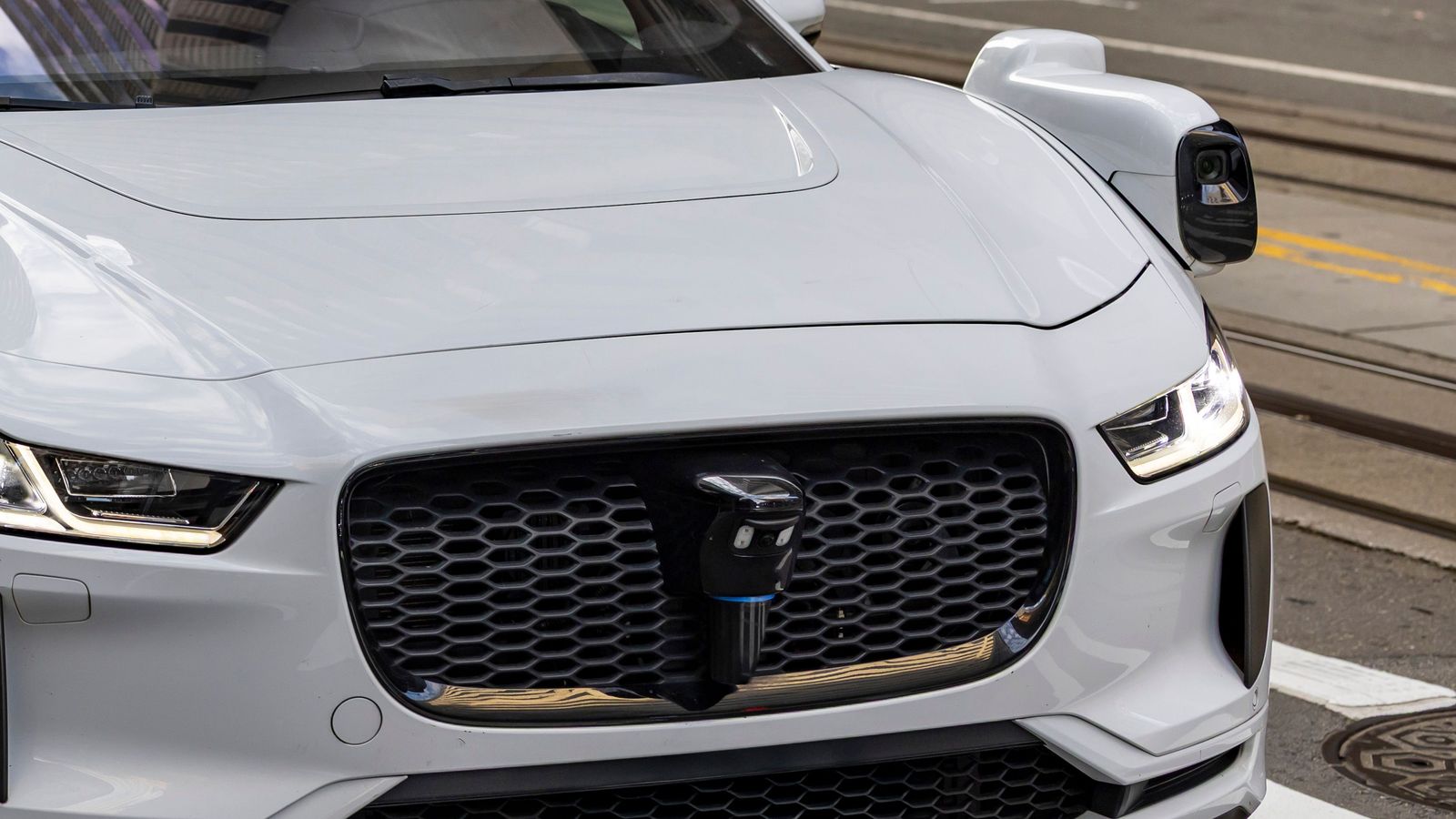
Photo: Stephen Leonardi on Pexels (photo 35076289), under the Pexels License. Cropped to 16:9 and resized to 1600x900; no other edits. It is an illustration, not a photo of a vehicle involved in any crash.
Frequently asked
How many Waymo accidents have been reported in California?
In NHTSA's Standing General Order data file for automated driving systems (reports submitted from June 16, 2025 through September 15, 2026; file updated October 15, 2026), Waymo LLC is the reporting entity on 768 crash reports that list California as the state, counting the latest version of each report. The file does not include reports submitted before June 16, 2025. A report is not a finding of fault, and NHTSA notes that some crashes can be reported more than once.
What injuries are listed in those reports?
On the 768 reports, the field NHTSA calls Highest Injury Severity Alleged reads Property Damage. No Injured Reported on 663, lists an alleged injury on 85, reads No Injured Reported on 10, and reads Unknown on 10. These are allegations in the reports, not confirmed injuries.
Who has to report a self-driving car crash in California?
The manufacturer. The California DMV says manufacturers testing autonomous vehicles need to report every collision involving one of their vehicles that results in property damage, bodily injury, or death. A DMV memo effective April 28, 2026 says collision reports must also be submitted to the DMV in alignment with NHTSA's Standing General Order. Under the General Order, named companies must report a crash to NHTSA if the automated driving system was in use at any time within 30 seconds of the crash and the crash resulted in certain property damage or injury.
Is Waymo allowed to drive without a safety driver in California?
The DMV's permit holder page lists Waymo LLC among the manufacturers authorized for driverless testing (updated November 5, 2026) and for deployment (as of November 5, 2026). Waymo's DMV page lists all times of day and night, all rain, fog, and other conditions, and all speeds. Passenger service is separately authorized by the California Public Utilities Commission.
Who is the operator of a driverless car under California law?
Vehicle Code section 38750(a)(4) says an operator of an autonomous vehicle is the person who is seated in the driver's seat, or, if there is no person in the driver's seat, causes the autonomous technology to engage.
Does a self-driving car keep data about a crash?
For vehicles approved under Vehicle Code section 38750(c), the manufacturer must certify a mechanism that captures and stores sensor data for at least 30 seconds before a collision while the vehicle is in autonomous mode. The statute says the data shall be preserved for three years after the date of the collision.
How do I report a problem with an autonomous vehicle?
The California DMV has an AV Incident Form for reporting an incident or safety concern involving an autonomous vehicle on California public roads. The same DMV page explains how to report a safety complaint to NHTSA, including NHTSA's Vehicle Safety Hotline at 1-888-327-4236.
How long do I have to file an injury claim after a Waymo crash?
The general deadline in California is two years under Code of Civil Procedure section 335.1 for injury caused by the wrongful act or neglect of another. Other deadlines can apply, including a six-month claim deadline if a public entity may be responsible.
Attorney Advertising. This article is general information, not legal advice, and does not create an attorney-client relationship. Prior results do not guarantee a similar outcome.