
Motorcycle Accident Lawyer in California
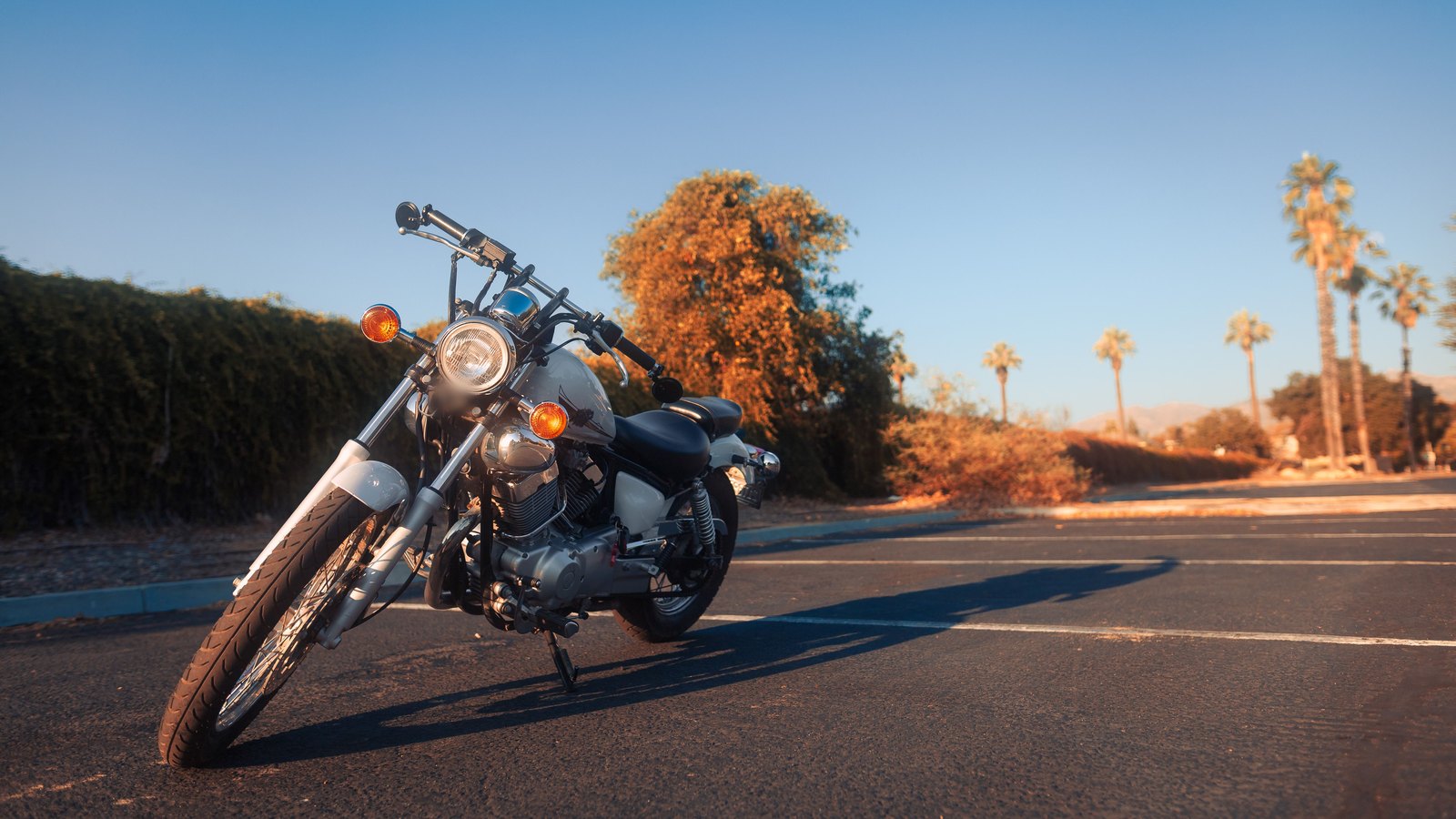
A motorcycle accident lawyer in California can help review how lane splitting, the helmet law, and shared fault may apply to a crash, and which deadlines are running. Many California injury claims have a two-year filing deadline, and claims against a public entity can require notice within six months. California’s Office of Traffic Safety reports 583 motorcyclist deaths in 2023, down from 649 in 2022.
Attorney Advertising. This page is general educational information, not legal advice, a ranking, or an award. Prior results do not guarantee a similar outcome.
What do the numbers say about motorcycle crashes in California?
The California Office of Traffic Safety (OTS), drawing on state SWITRS and federal FARS data and updated in July 2025, reports that motorcycle fatalities fell 10.2% from 649 in 2022 to 583 in 2023. The same page reports motorcyclist deaths from not wearing a helmet fell from 43 to 33 over those two years. These are fatality counts for the stated years. They do not measure injuries, and they do not say who was at fault in any crash.
Federal data points the same way. NHTSA’s fact sheet Motorcycles: 2023 Data (DOT HS 813 732, July 2025) counts 583 motorcyclist deaths in California in 2023, with helmet use recorded as 527 helmeted, 33 unhelmeted, and 23 unknown. Nationwide, NHTSA counted 6,335 motorcyclists killed in 2023.
Is lane splitting legal in California?
Vehicle Code section 21658.1 defines lane splitting as “driving a motorcycle, as defined in Section 400, that has two wheels in contact with the ground, between rows of stopped or moving vehicles in the same lane, including on both divided and undivided streets, roads, or highways.” The statute also says the California Highway Patrol may develop educational guidelines on lane splitting.
The CHP’s California Motorcyclist Safety page says lane splitting by motorcyclists is legal in California. It also says riding on the shoulder is illegal and is not considered lane splitting. The same page cautions that lane splitting can be dangerous and that the risk of death or serious injury grows as speed and the speed difference between the rider and traffic increase. Its tips include avoiding lane splitting next to large vehicles and staying out of other vehicles’ blind spots.
For its messages to other drivers, the CHP says that intentionally blocking or impeding a motorcyclist in a way that could cause harm is illegal, and so is opening a vehicle door to impede a motorcyclist. Whether lane splitting played any role in a particular crash is a fact question, not a conclusion that follows from the statute alone.
Does California’s helmet law affect an injury claim?
Vehicle Code section 27803 says a driver and any passenger “shall wear a safety helmet meeting requirements established pursuant to Section 27802” when riding on a motorcycle, motor-driven cycle, or motorized bicycle. Subdivision (e) defines wearing a helmet as having it on the head, fastened with the straps, and of a size that fits securely without excessive movement. Subdivision (f) carves out certain fully enclosed three-wheeled vehicles.
How a helmet relates to a claim depends on the facts. Helmet use can come up when fault and injuries are discussed, and a damaged helmet is also physical evidence of how a crash happened. A lawyer can explain how these questions might apply to a specific case.
What are common motorcycle crash patterns?
Naming a pattern is not the same as proving it. The table below pairs situations that riders and drivers often describe with evidence that may help sort out what happened. It does not assign fault.
| Common pattern | Evidence to ask about | Why it matters |
|---|---|---|
| Driver turns left across a rider’s path | Intersection or business video, vehicle damage, witness accounts, signal timing | Can show speeds, positions, and who had the right of way |
| Driver changes lanes without seeing the rider | Dashcam video, damage on the vehicle and the bike, mirror and blind spot positions | Can show where each vehicle was before the lane change |
| Car door opens into a rider’s path | Photos of the parked car, witness statements, nearby camera footage | The CHP lists opening a door to impede a motorcyclist as illegal |
| Rear-end crash in slowing traffic | Brake and speed data where available, phone records, scene photos | Can show following distance and attention |
| Road hazard such as gravel, potholes, or debris | Photos of the hazard, maintenance records, public agency contacts | Can point to a public entity and a much shorter claim deadline |
What evidence is worth keeping after a motorcycle crash?
A motorcycle and its gear can carry information that is easy to lose once repairs, cleaning, or salvage begin.
| Item | Why it can matter |
|---|---|
| Helmet, jacket, gloves, and boots | Scuffs and damage can show impact points and how the rider fell |
| The motorcycle | Damage patterns can show angle and force, and mechanical checks may be needed |
| Photos and video of the scene | Skid marks, debris, lane markings, and signs can fade or be cleaned up |
| Witness names and phone numbers | Independent accounts can help with fault questions |
| Police or CHP report number | Reports go to people with a proper interest under Vehicle Code section 20012, and a copy fee may apply |
| Medical records and bills | Show the injuries, the treatment, and the timeline |
Practical note: It can help to photograph the bike, the helmet, and the road before anything is repaired, cleaned, or thrown away, because damage patterns can be hard to reconstruct later.
How long can a California motorcycle claim take to file?
Deadlines are one of the most important parts of any injury claim, and they are easy to miss.
- Private defendants. Code of Civil Procedure section 335.1 sets a two-year period for an action for injury to, or the death of, an individual caused by the wrongful act or neglect of another. See also our guide to the personal injury statute of limitations.
- Public entities. If a government vehicle or a government road condition is involved, Government Code section 911.2 says a claim for death or injury to a person must be presented not later than six months after the cause of action accrues.
- Facts change the dates. Which deadline applies depends on who may be responsible. A lawyer can compare the dates for each possible party.
How does shared fault work in a California motorcycle claim?
California uses pure comparative negligence, adopted in Li v. Yellow Cab Co. (1975), which assesses liability in direct proportion to fault. A person who bears some fault may still seek compensation, reduced by their own percentage. For more, see our explainer on pure comparative negligence.
When more than one defendant is involved, Civil Code section 1431.2 provides that, in a comparative-fault personal injury action, each defendant’s liability for non-economic damages is several only, and each defendant is liable only for the amount allocated in direct proportion to that defendant’s percentage of fault. The statute defines non-economic damages as subjective, non-monetary losses such as pain, suffering, and emotional distress, and it defines economic damages separately.
What if the other driver or the rider is uninsured?
A rider’s own insurance may include uninsured or underinsured motorist coverage, depending on what was bought and what the policy says. Reading the actual policy is the starting point, because terms and notice requirements differ. Our guides explain what uninsured motorist coverage is and how an uninsured motorist claim generally works.
Hypothetical: a left-turn crash and shared fault (illustrative)
Hypothetical (illustrative only, not a real client, not a case result, not a prediction): A car turns left across a lane on a California surface street and collides with an oncoming motorcycle. The rider is hurt and starts treatment the same day. Within a week, the rider photographs the damaged helmet and jacket before they are discarded, saves the bike in its post-crash condition, and notes the report number and two witnesses.
Months later, assume a jury were to find total damages of $120,000 and allocate fault as 85% to the car’s driver and 15% to the rider, for example over a disputed speed estimate. As arithmetic only, the rider’s compensation would be reduced by 15%, which is $18,000, leaving $102,000. The numbers are invented to show how comparative fault works. Real cases involve many more variables, and economic and non-economic damages are treated differently under Civil Code section 1431.2. Educational only.
How fees and case costs work at LA Law Group
No attorney fee unless we win your case. You are responsible for case costs regardless of the outcome.
All fee and cost terms are set out in a written fee agreement before work begins. Aryan Amid, Esq., the firm’s founding attorney, and the team can walk through that agreement line by line.
Your initial consultation is free.
Talk with LA Law Group
LA Law Group, APLC is based in Chatsworth and handles California injury matters statewide, with Aryan Amid, Esq., the firm’s founding attorney. We communicate in English, Spanish, and Farsi.
Your initial consultation is free.
To discuss a motorcycle crash, call (866) 625-2529. Our Chatsworth office is at 21540 Prairie St Unit A, Chatsworth, CA 91311. Read more on our personal injury practice area page.
More guides for riders
Key takeaways
- Many California injury lawsuits face a two-year deadline under Code of Civil Procedure section 335.1. Claims against a public entity can require a claim within six months under Government Code section 911.2.
- Vehicle Code section 21658.1 defines lane splitting, and the CHP says it is legal for motorcyclists while cautioning that it can be dangerous. Riding on the shoulder is not lane splitting.
- Vehicle Code section 27803 requires drivers and passengers to wear a safety helmet that meets the section 27802 requirements.
- The Office of Traffic Safety reports 583 California motorcyclist deaths in 2023, down from 649 in 2022. These are fatality counts, not injury counts.
- California’s comparative fault rules can reduce, but do not automatically bar, compensation when fault is shared.
- No attorney fee unless we win your case. You are responsible for case costs regardless of the outcome.
Checklist: information to gather when speaking with counsel (general information)
- Medical records, bills, and a list of providers
- Photos and video of the scene, the motorcycle, the helmet, and the riding gear
- The police or CHP report number
- Witness names and phone numbers
- Dashcam, helmet camera, or phone video from your own ride
- Auto, health, and uninsured motorist insurance information
- Dates, since deadlines can differ if a public entity may be involved
This article is for general information only. It is not legal advice and does not create an attorney-client relationship. Reading it does not make LA Law Group your lawyers. Results depend on facts and California law. Prior results do not guarantee a similar outcome. Attorney Advertising.
Frequently asked
Is lane splitting legal in California?
California Vehicle Code section 21658.1 defines lane splitting as driving a two-wheeled motorcycle between rows of stopped or moving vehicles in the same lane, and it lets the California Highway Patrol develop educational guidelines. The CHP's motorcyclist safety page says lane splitting by motorcyclists is legal in California and that riding on the shoulder is illegal and is not lane splitting. The CHP also warns that lane splitting can be dangerous and that risk rises with speed and speed differences.
Do I have to wear a helmet in California?
Yes. Vehicle Code section 27803 says a driver and any passenger shall wear a safety helmet meeting the requirements of section 27802 when riding on a motorcycle, motor-driven cycle, or motorized bicycle. The statute defines wearing a helmet as having it on the head, fastened with the straps, and fitting securely. A narrow exception covers certain fully enclosed three-wheeled vehicles.
What should I do after a motorcycle accident?
Many riders start with medical care, since some injuries do not show symptoms right away. It can then help to photograph the scene, the bike, and the gear, collect witness contact details, note the report number, and keep the helmet and clothing as they are. A lawyer can explain how those items may relate to a specific claim.
How long do I have to file a motorcycle accident claim in California?
For many injury claims, California Code of Civil Procedure section 335.1 sets a two-year deadline to file a lawsuit. Claims against a public entity, such as for a road condition or a government vehicle, can require a written claim within six months under Government Code section 911.2. Which deadline applies depends on who may be responsible, so a lawyer can check the dates in a particular case.
Can a helmet or lane splitting affect who is at fault?
California follows pure comparative negligence under Li v. Yellow Cab Co. (1975), so a person who shares some fault may still seek compensation, reduced by that person's percentage of fault. Questions about helmet use or lane position can come up when fault is discussed, and how much they matter depends on the facts. Under Civil Code section 1431.2, each defendant's liability for non-economic damages is several only, in proportion to that defendant's share of fault.
What if a driver says they did not see me?
Drivers sometimes turn, change lanes, or open a door without noticing a rider. A driver saying they did not see the rider does not by itself settle who was at fault. Evidence such as scene photos, video, witness accounts, and vehicle damage can help show positions, speeds, and timing.
What if the driver or I do not have enough insurance?
A rider's own policy may include uninsured or underinsured motorist coverage, depending on what the rider bought. Policy terms and notice requirements vary, so reviewing the actual policy is the starting point. Our guide to uninsured motorist coverage explains the general idea.
How is a motorcycle accident claim different from a car accident claim?
A rider has no enclosed frame, so injuries can be more serious, and fault arguments often involve visibility, lane position, and protective gear. Evidence such as a helmet and the bike itself can matter more than in a typical car claim. The same California deadlines and comparative fault rules apply, and every case turns on its own facts.
Attorney Advertising. This article is general information, not legal advice, and does not create an attorney-client relationship. Prior results do not guarantee a similar outcome.