
What to Do After a Car Accident in California: Step-by-Step Guide
Disclaimer: This article is for informational purposes only and not to be construed as legal advice. No attorney client relationship exists based on the review of this this article and none of the information in this article is legal advice.
Short answer: After a car accident in California, stop and check for injuries, call 911 if anyone is hurt, and move out of traffic if the crash damaged only property (Vehicle Code sections 20001 and 20002). Exchange names, addresses, driver’s license numbers, vehicle information, and insurance details with the other driver (section 16025). If anyone was injured, a written report must go to the CHP or city police within 24 hours (section 20008), and an SR-1 report must go to the DMV within 10 days if anyone was injured or property damage was over $1,000 (section 16000). Get medical care, keep records, and note that most injury lawsuits must be filed within two years (Code of Civil Procedure section 335.1).
Step 1: Stop, Check for Injuries, and Call 911
Check yourself and your passengers first. Adrenaline can hide pain, so take a moment even if you feel fine. If anyone is hurt, call 911.
California law sets out what a driver must do at the scene:
- If anyone else was injured or killed, the driver must stop immediately at the scene (Vehicle Code section 20001), give their name, address, vehicle registration number, and owner information to the people involved and to any officer, and give reasonable help to anyone injured, including arranging transport for medical treatment when it is clearly needed or requested (section 20003).
- If the crash damaged only property, the driver must stop at the nearest location that will not impede traffic or endanger other drivers. The statute says moving the vehicle this way “does not affect the question of fault” (section 20002).
Once you are out of the traffic lane, turn on your hazard lights.
Step 2: Exchange Information
Every driver involved who is able to do so must exchange the following with any other driver or property owner present at the scene (Vehicle Code section 16025):
- Name and current address
- Driver’s license number
- Vehicle identification number
- The registered owner’s current address
- Insurance company name and address, and the policy number
It also helps to note the make, model, color, and license plate of each vehicle, and to photograph the other driver’s license and insurance card if they agree.
If you hit a parked car or other unattended property, section 20002 requires you to find the owner, or to leave a written note in a visible place with the name and address of the driver and of the vehicle’s owner and a statement of what happened and then notify the city police or, outside city limits, the CHP.
Keep the conversation to facts. Avoid guessing about speed or arguing about who caused the crash.
Step 3: Report the Crash to the Police and the DMV
California has two separate reporting rules:
- Police or CHP within 24 hours if anyone was injured or killed. Under Vehicle Code section 20008, the driver must make a written report to the California Highway Patrol or, if the crash happened inside a city, to the CHP or that city’s police department.
- DMV SR-1 within 10 days. Under section 16000, a driver must report a crash to the DMV within 10 days if anyone was injured or killed or if property damage to any one person was over $1,000. The DMV says the SR-1 is required “in addition to any other report made to the police, CHP, or your insurance company,” and that it applies whether or not you caused the crash. Your insurance agent, broker, or legal representative can file it for you.
Calling the police from the scene is also how many drivers get an officer’s report number. Our guide on how to get a police report explains how to request a copy later.
Step 4: Document the Scene
Photos taken right away are often the clearest record of what happened.
- Damage to every vehicle, from several angles, plus wider shots that show where the cars ended up
- License plates, street signs, traffic signals, and skid marks
- Road and weather conditions, such as a pothole, a faded lane line, or a wet surface
- Your visible injuries, then and in the days that follow
Write down the time, the location, your direction of travel, and the order of events while your memory is fresh. Stick to what you saw and heard.
If anyone saw the crash, ask for their name and phone number. A witness with no stake in the outcome can help settle disputes about a traffic light or the right of way.
As you collect all this sensitive information—from photos and reports to witness contacts—you’ll need a way to keep it organized and share it securely. When it’s time to send these files to your lawyer or insurance provider, using secure file sharing services ensures your personal data stays protected. Proper documentation is truly the foundation of a strong claim.
Step 5: Get Medical Care
Some injuries, such as concussions and neck injuries, may not cause obvious symptoms right away. A prompt visit to urgent care, your doctor, or the emergency room protects your health and creates a medical record that links your injuries to the crash. Follow the treatment plan and keep copies of bills, prescriptions, and work notes. A long gap before treatment can make it harder to show that the injury came from the crash.
Step 6: Notify Your Insurer and Track Your Claim
Report the crash to your own insurance company as your policy requires. Give the basic facts: the date, time, and place, the other driver’s information, and the police report number if you have one.
When you talk with any adjuster, keep answers short and factual. If you are not sure about a detail such as speed or distance, say so instead of guessing. The other driver’s insurer may ask for a recorded statement; you can ask what it will be used for and take time to review your notes, or talk with a lawyer first.
California’s claims regulations set response deadlines for insurers. For example, an insurer generally must acknowledge a claim within 15 calendar days of notice and accept or deny it within 40 calendar days after receiving proof of claim. Our guide on how long an insurance company has to settle a claim in California explains those rules and their exceptions.
Minimum insurance. For policies issued or renewed on or after January 1, 2025, California’s minimum liability limits are $30,000 for injury or death of one person, $60,000 for injury or death of two or more people, and $15,000 for property damage (Vehicle Code section 16056). If the other driver’s coverage is too low or missing, your own uninsured or underinsured motorist coverage may matter. See our guide on whether you need uninsured motorist coverage.
If you were uninsured. Civil Code section 3333.4 generally bars an injured owner of an uninsured vehicle, or a driver who cannot show financial responsibility, from recovering noneconomic damages such as pain and suffering, with an exception for an uninsured vehicle owner who was injured by a driver convicted of driving under the influence for that crash.
Step 7: Know the Deadlines
- Two years for most injury lawsuits (Code of Civil Procedure section 335.1).
- Three years for vehicle and other property damage lawsuits (section 338(c)(1)).
- Six months for injury and vehicle damage claims against a public entity, such as a city or county, before any lawsuit (Government Code section 911.2). Our guide to government claims explains the process.
Your insurance policy may also require prompt notice, which is a separate contract deadline. For more on time limits, see our California personal injury statute of limitations guide.
If Fault Is Disputed
California uses comparative fault. If a jury finds that your own negligence contributed to your injuries, your damages are reduced by your percentage of responsibility rather than barred (CACI No. 405). That is one reason careful photos, witness names, and a consistent written account matter.
When to Talk With a Car Accident Lawyer
Many minor crashes are resolved through insurance without a lawyer. People often speak with one when:
- Someone needed emergency care, surgery, or ongoing treatment.
- The other driver denies fault or blames you.
- The other driver has no insurance or too little insurance.
- A government vehicle, a road defect, or a commercial or rideshare vehicle was involved.
- An insurer has denied the claim or made an offer before you know how your recovery will go.
Our California car accident lawyer page and car accident FAQ cover these situations in more detail.
At LA Law Group, APLC, we help people sort out what to do next after a crash, including dealing with insurance companies and deadlines. Your initial consultation is free. Contact us.
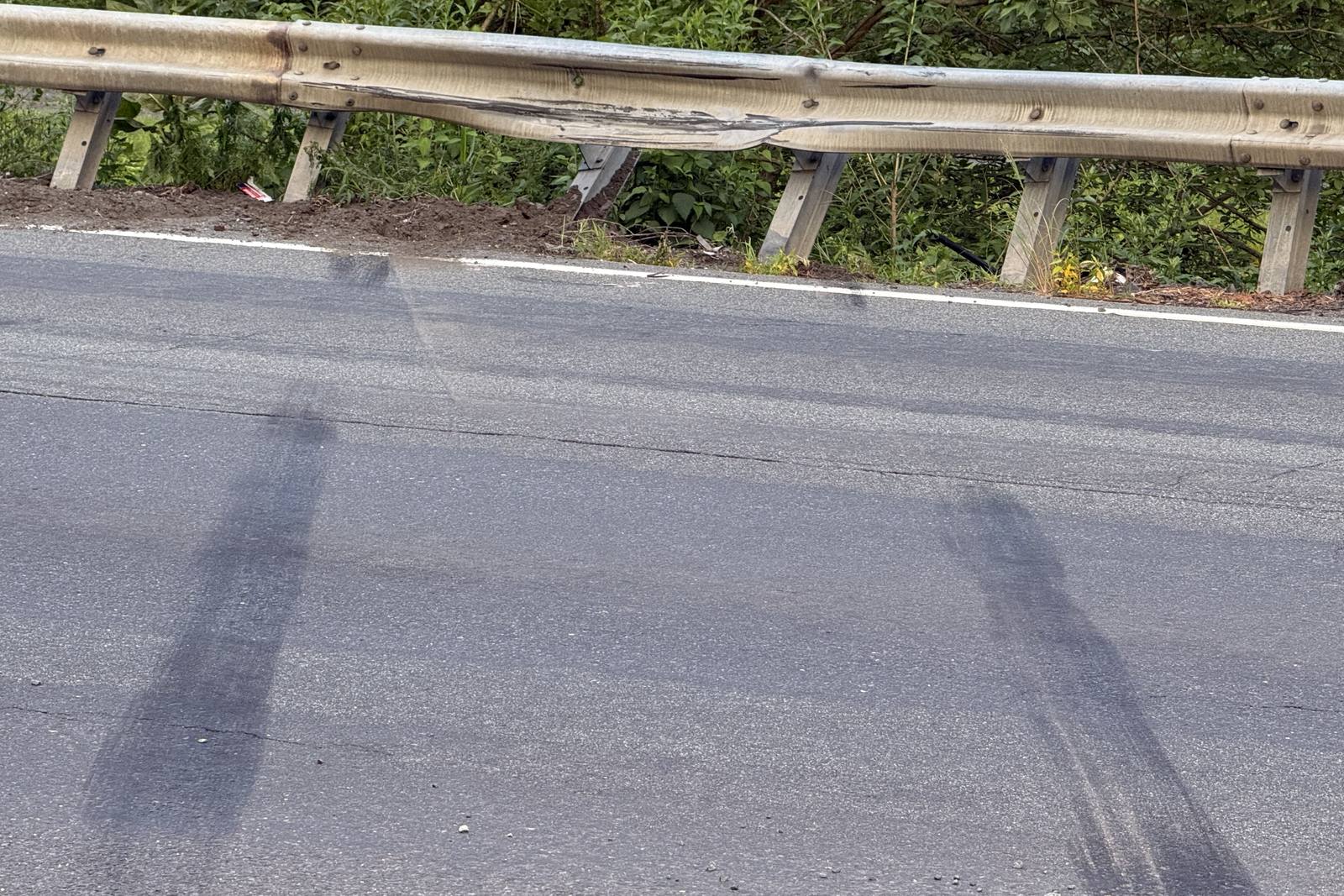
Photo: “Skid marks and damaged guard rail” by Famartin (cropped), Wikimedia Commons, CC BY-SA 4.0.

Frequently asked
What should I do first after a car accident in California?
Stop, check for injuries, and call 911 if anyone is hurt. California Vehicle Code section 20001 requires a driver involved in a crash that injures or kills someone else to stop at the scene, and section 20003 requires the driver to give identifying information and reasonable help to anyone injured. If the crash damaged only property, section 20002 requires drivers to stop at the nearest location that will not impede traffic.
Do I have to report a car accident to the police in California?
If anyone was injured or killed, Vehicle Code section 20008 requires the driver to make a written report to the California Highway Patrol, or to the city police department if the crash happened in a city, within 24 hours. If you hit an unattended vehicle or other property and cannot find the owner, section 20002 requires you to leave a note and notify the local police or CHP.
Do I have to file an SR-1 with the DMV?
Yes, if anyone was injured, even slightly, or killed, or if property damage to any one person was over $1,000. Vehicle Code section 16000 and the DMV require the SR-1 report within 10 days, whether or not you caused the crash. The DMV says a report to police, CHP, or your insurance company does not replace the SR-1, and failing to file can lead to suspension of your driving privilege.
What information do drivers have to exchange after a crash?
Under Vehicle Code section 16025, drivers present at the scene must exchange their name and current address, driver's license number, vehicle identification number, the registered owner's current address, and evidence of financial responsibility. For insurance, that means the insurance company's name and address and the policy number.
How long do I have to file a car accident claim in California?
The general deadline for a personal injury lawsuit is two years from the injury (Code of Civil Procedure section 335.1). A lawsuit for damage to a vehicle or other personal property generally has three years (section 338(c)(1)). If a public entity may be responsible, a written claim for injury or vehicle damage generally must be presented within six months (Government Code section 911.2).
What if I was partly at fault for the crash?
California uses comparative fault. If your own negligence contributed to your injuries, your damages are reduced by your percentage of responsibility rather than barred (CACI No. 405).
What if I did not have insurance when the crash happened?
Civil Code section 3333.4 generally bars an injured vehicle owner whose vehicle was not insured as required, or a driver who cannot show financial responsibility, from recovering noneconomic damages such as pain and suffering. There is an exception for an uninsured vehicle owner who was injured by a driver convicted of driving under the influence for that crash. Economic damages, such as medical bills, are not barred by that section.
Attorney Advertising. This article is general information, not legal advice, and does not create an attorney-client relationship. Prior results do not guarantee a similar outcome.